
The Storm Targeting Playbook: Work the Path, Skip the Circus
On this page
The week after a hailstorm, every roofing company in the county converges on the same handful of visible neighborhoods, and homeowners meet six identical pitches in three days. Storm work does not have to be that. The swath is bigger than the frenzy, and inside it sits a quieter list: the roofs that were already old when the hail arrived.
These guides cover storm targeting as a data problem — where the storm verifiably went, which roofs inside it were most vulnerable, and how to work that intersection while everyone else fights over the obvious streets.
Who this is for
Storm-restoration companies that travel to events, local shops that pivot to storm mode when weather hits their own market, and any owner tired of arriving third to every swath.
The storm-targeting guides
- How To Prioritize Neighborhoods After A Hail Swath — which neighborhoods to work first after hail
- How to Find Old Roofs in the Storm Path Before Your Competition Knocks — old roofs inside the swath are the shortlist
- How to Use Storm Data to Plan Roofing Canvassing That Actually Closes — plan canvassing from verified storm data
Age changes the storm math
Hail severity alone ranks neighborhoods by exposure. Adding roof age ranks them by likely outcome: the same stones that scuff a five-year-old shingle can end a twenty-two-year-old one. That is why this playbook leans on the old-roof system — the storm tells you where to look, the age data tells you where to start. Door-to-door execution afterward is the canvassing playbook's territory.
The line that keeps storm work clean
Storm data proves exposure, never damage, and your crew sells inspections, never claim outcomes. No coverage promises, no absorbed deductibles, no "free roof" postcards — that language is how storm contractors become case studies in unlicensed public adjusting. Document what the roof actually shows, hand the homeowner an honest estimate, and let the insurer do the insurer's job. It is slower-sounding and it wins more, because burned homeowners have learned to hear the difference.
RoofPredict's storm layer does the intersection automatically: verified hail and wind history over every roof's age score, so the morning after an event your crew has the swath ranked oldest-first instead of loudest-first.
FAQ
Which houses in a hail swath should a crew work first?
The old roofs. Hail that bounces off a five-year-old architectural shingle can finish a twenty-two-year-old one. Ranking the swath by roof age concentrates your crew on the intersection of exposure and vulnerability — the guides below show the workflow.
Can storm data prove a roof was damaged?
No. Storm data proves exposure — that hail of a certain size probably fell there. Damage is established on the roof, with photos and an inspection. Sell the inspection, document what you find, and let the evidence speak.
What storm claims language keeps a crew out of trouble?
Offer inspections and estimates; never promise coverage, payouts, or "free roofs," and never offer to eat a deductible — in most states those cross into unlicensed public adjusting or worse. Every guide in this series carries the same do-not-say list because one rep freelancing can undo a season.
The Roofline by RoofPredict
Stay Ahead of Roofing Market Changes
Join The Roofline by RoofPredict for weekly roofing intelligence: material price signals, storm demand, insurance and regulatory updates, sales tactics, and local contractor opportunities.
Related Articles
How to Use Storm Data to Plan Roofing Canvassing That Actually Closes
Storm data is everywhere and most of it is noise. Here is how to turn hail swaths, wind reports, and roof age into a ranked door list your crew can actually work.
How to Find Old Roofs in the Storm Path Before Your Competition Knocks
The roofs that pay are the ones already worn thin when the storm hit. Here is how restoration pros locate them, rank them, and get to the door before everyone else.
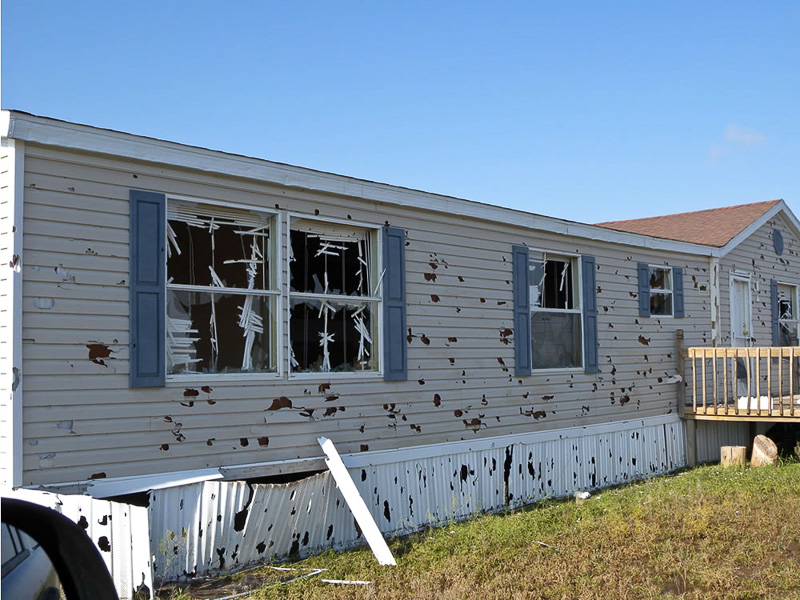
How To Prioritize Neighborhoods After A Hail Swath
A hail swath tells you where to look, not which roofs are damaged. Here is the triage system roofing teams use to score neighborhoods, route crews, and stay on the right side of safety and insurance law.