
How to Document Hail Leads Without Turning ENSO Into Claim Evidence
Keep ENSO in the planning lane, local storm reports in the weather lane, roof photos in the property lane, and claim decisions outside the contractor lane.
Expert resources on roof maintenance, storm damage, insurance claims, and more.

Keep ENSO in the planning lane, local storm reports in the weather lane, roof photos in the property lane, and claim decisions outside the contractor lane.

Explain impact-resistant shingle ratings as relative performance tools, not hail-proof promises, claim guarantees, warranty approvals, or El Nino fear copy.

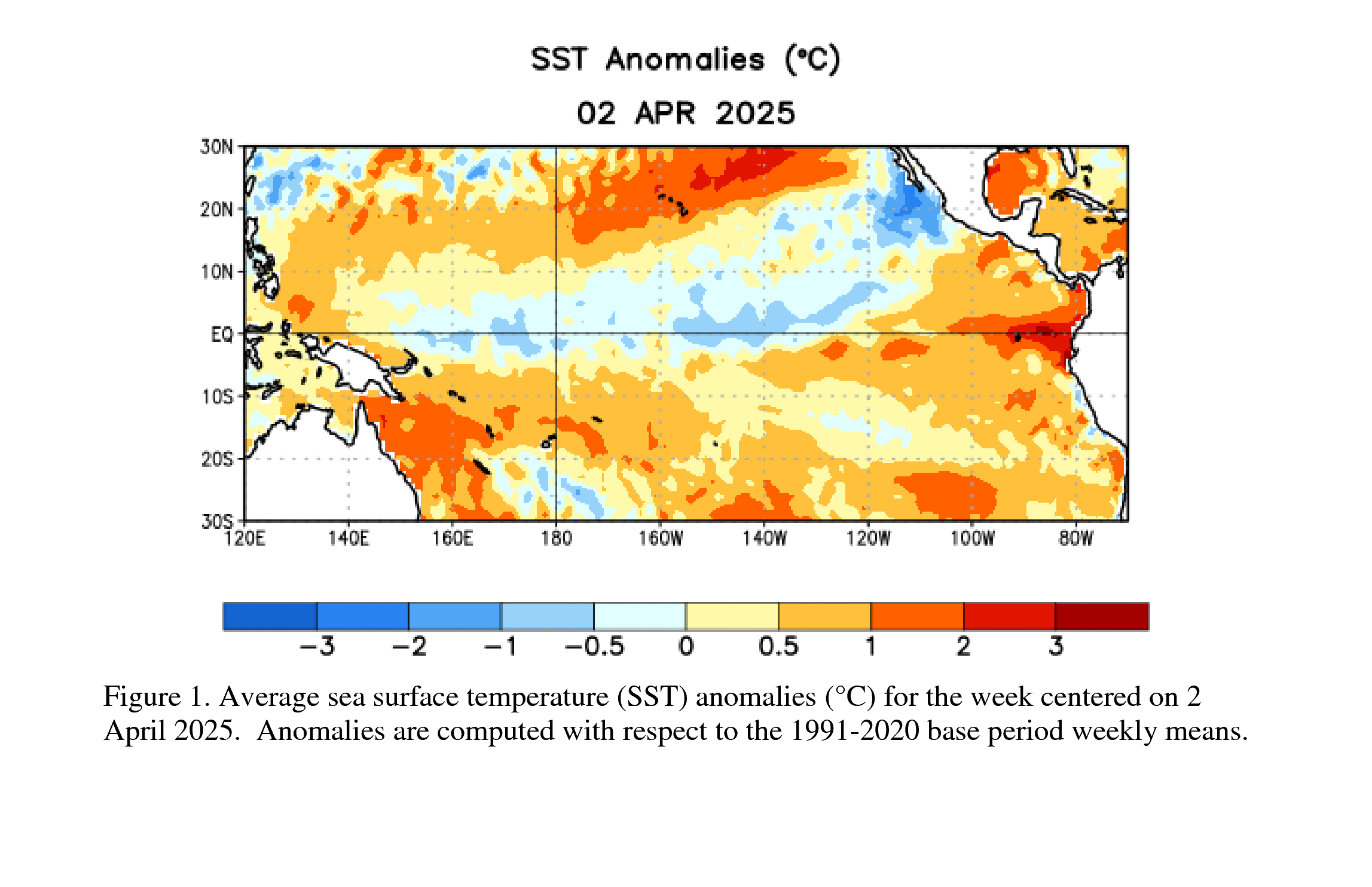
Use ENSO context as a monitoring layer, then prioritize hail follow-up from local alerts, storm reports, roof age, customer urgency, safe access, and inspection evidence.

Give homeowners a clear answer about Super El Nino questions without turning a climate headline into roof damage, inspection, or insurance pressure.

Build an El Nino winter calendar around source dates, operations readiness, safety holds, local evidence, and reviewed customer language, not forecast hype.

Repair teams should separate gutter overflow, downspout discharge, roof-edge leaks, low-slope drains, surface water, and coverage questions during rain calls.

Burn scars and landslide-prone routes change roofing access, safety, scheduling, customer communication, and documentation during repeated winter rain.

Coastal roofing calls need separate planning for roof leaks, tide timing, beach or bluff access, road status, safe crew exposure, and coverage questions.

A rain-event roof triage queue should rank calls by safety, occupancy, active water entry, and access while keeping roof, flood, and coverage notes separate.

RoofPredict rain-event records should keep weather context, roof observations, water-source notes, and customer or insurance questions separate.